

Common home energy storage products mainly fall into five categories: mains-powered energy storage, diesel generator-based energy storage, gasoline generator-based energy storage, wind power generator-based energy storage, and photovoltaic generator-based energy storage.
1. Mains-Powered Energy Storage
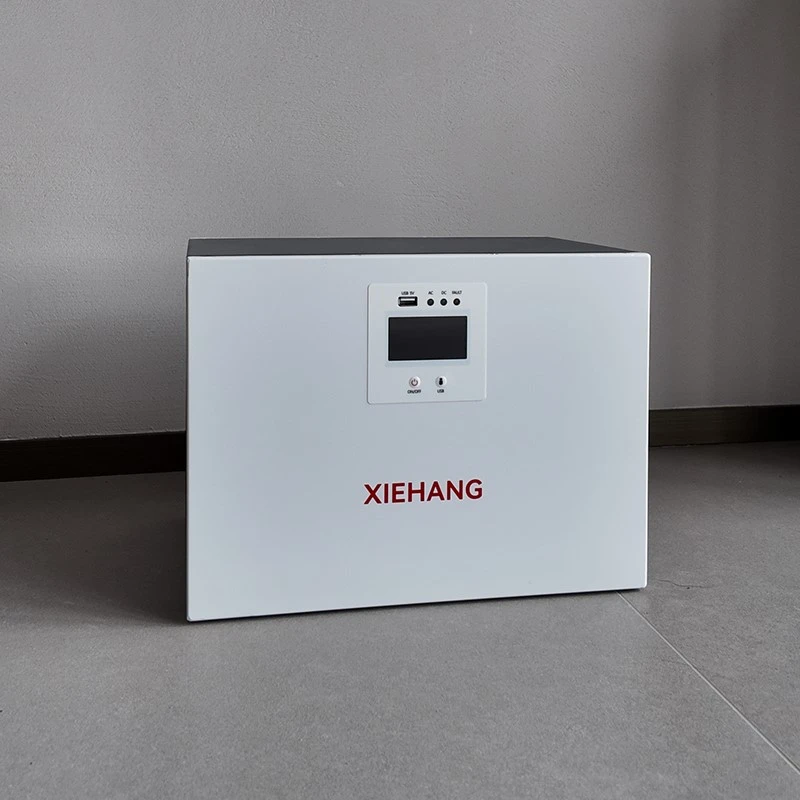
This type of product is similar to a high-capacity power bank, working on the same principle as a mobile phone power bank. You charge your home's electricity into the energy storage device for backup power. In case of a power outage or power rationing, the energy stored in the device can power your home.
2. Diesel Generator-Based Energy Storage
"Diesel-energy storage" hybrid systems are simple microgrids. They are upgrades to traditional diesel generator sets, optimizing the operation of the energy storage and generator units. They provide rapid response to instantaneous power fluctuations and support the microgrid system frequency, while also improving the efficiency of the diesel generator. Customization is possible.
3. Gasoline Generator-Based Energy Storage
It is quieter than a diesel engine, but still produces some noise; its size is relatively smaller than a diesel generator.
4. Wind Power Energy Storage
It is a clean energy source; it has low operating costs and requires no additional investment in the later stages, saving expenses; however, it has significant limitations in areas with unstable winds, resulting in unstable energy supply; and its power generation capacity is relatively weak.
5. Photovoltaic Power Energy Storage
Photovoltaic power energy storage is an increasingly popular energy storage product in recent years. Its core is a rechargeable energy storage battery, typically based on lithium-ion or lead-acid batteries, controlled by a computer and coordinated with other intelligent hardware and software to achieve charging and discharging cycles.