

1. Industrial and commercial energy storage can release stored electricity during peak electricity consumption periods to power production equipment, preventing equipment downtime due to insufficient grid power, ensuring the continuity of production processes, maintaining a stable production rhythm, and ensuring timely completion of orders.
Detailed Application: In industrial and commercial operations, the grid is under great pressure during peak electricity consumption, which may lead to unstable power supply or even power outages. Energy storage systems store electricity in advance and release it at this time, ensuring that production equipment continues to operate without interruption, avoiding losses such as production interruptions and product scrapping due to power outages.
2. Industrial and commercial energy storage can store and release electricity during off-peak electricity price periods. By storing electricity at low prices during off-peak periods and using the stored electricity during peak periods, businesses can reduce electricity costs and improve economic efficiency.
Detailed Application: The electricity market has peak-valley price differences. During off-peak periods, electricity prices are low, and energy storage systems are charged at this time; during peak periods, electricity prices are high, and using the electricity stored in the energy storage system allows businesses to meet their electricity needs while reducing electricity expenses.
3. When a company experiences a sudden power outage, commercial and industrial energy storage can quickly supply power to critical equipment such as monitoring systems and emergency lighting, ensuring the normal operation of the company's safety protection system and preventing safety accidents caused by the power outage.
Detailed Application: Power outages may cause monitoring systems to malfunction and emergency lighting to go out, increasing safety hazards. Energy storage systems provide power to these critical devices instantly during a power outage, maintaining the normal operation of safety protection facilities and protecting personnel and property.
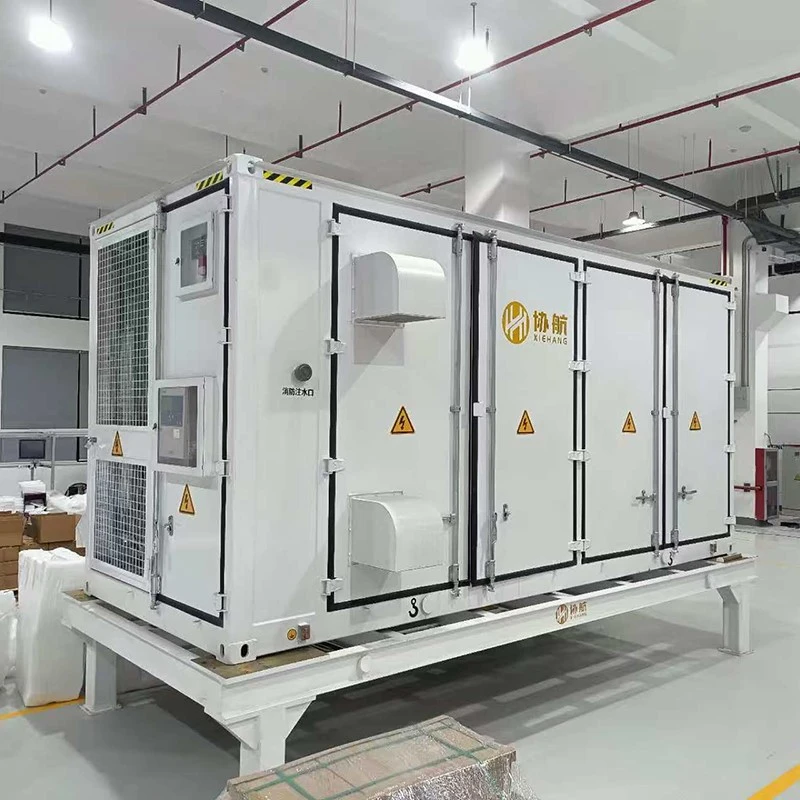
4. Combining industrial and commercial energy storage with distributed energy systems (such as rooftop solar PV) stores excess electricity generated during the day and provides power to businesses at night or when sunlight is insufficient, improving their ability to absorb renewable energy.
Detailed Application: Distributed solar power generation is limited by sunlight conditions; daytime generation may result in surplus electricity. Energy storage systems store this surplus and provide power to businesses when there is no sunlight, achieving efficient utilization of renewable energy.
5. With the help of industrial and commercial energy storage systems, businesses can regulate their own electricity load, avoiding the impact on the power grid caused by sudden surges in load, maintaining grid stability, and reducing the risk of penalties due to load surges.
Detailed Application: Some production equipment generates large instantaneous electricity loads when starting up, which may affect grid stability. Energy storage systems can buffer these surges, making the business's electricity consumption more stable, meeting grid requirements, and avoiding additional economic losses.
6. Industrial and commercial energy storage can serve as an important component of enterprise microgrids, independently supplying power to certain areas or critical facilities within the enterprise when the power grid fails or experiences a power outage, ensuring the continuous operation of some core business operations.