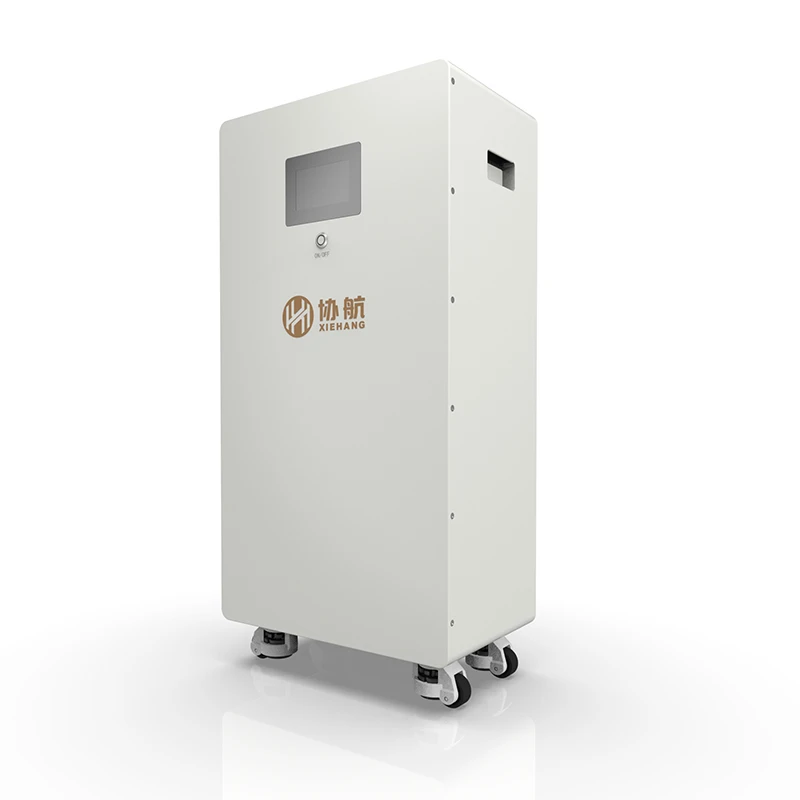
Solar power generation systems can be categorized into grid-connected photovoltaic (PV) systems and off-grid PV systems based on whether they are connected to the grid. Grid-connected PV systems mainly refer to PV systems that are connected to the power grid and subject to grid dispatch, such as various centralized or distributed PV power plants. Off-grid PV systems mainly refer to various PV systems that operate independently of the power grid, such as solar streetlights and rural household PV power supplies.
Energy storage systems, as an effective way to store electrical energy, can be divided into four categories: mechanical energy storage, battery energy storage, electromagnetic energy storage, and phase change energy storage. Mechanical energy storage, such as pumped hydro storage, is widely used, while flywheel energy storage, as a novel type of mechanical energy storage, is currently in the research and demonstration stage.
Electromagnetic energy storage includes superconducting energy storage, supercapacitor energy storage, and high-energy-density capacitor energy storage. Thermal energy storage stores or releases energy through material phase change; related research in China is currently in the laboratory stage and has not yet been practically applied. Battery energy storage is currently a mature, widely used, and relatively low-cost energy storage technology. Off-grid photovoltaic power generation products using lead-acid batteries as energy storage devices have been commercially applied. In recent years, with the development of lithium battery technology and its cost reduction, energy storage devices built with lithium batteries are currently a research hotspot.